Sauna vs Cold Plunge vs Both: Contrast Therapy Guide
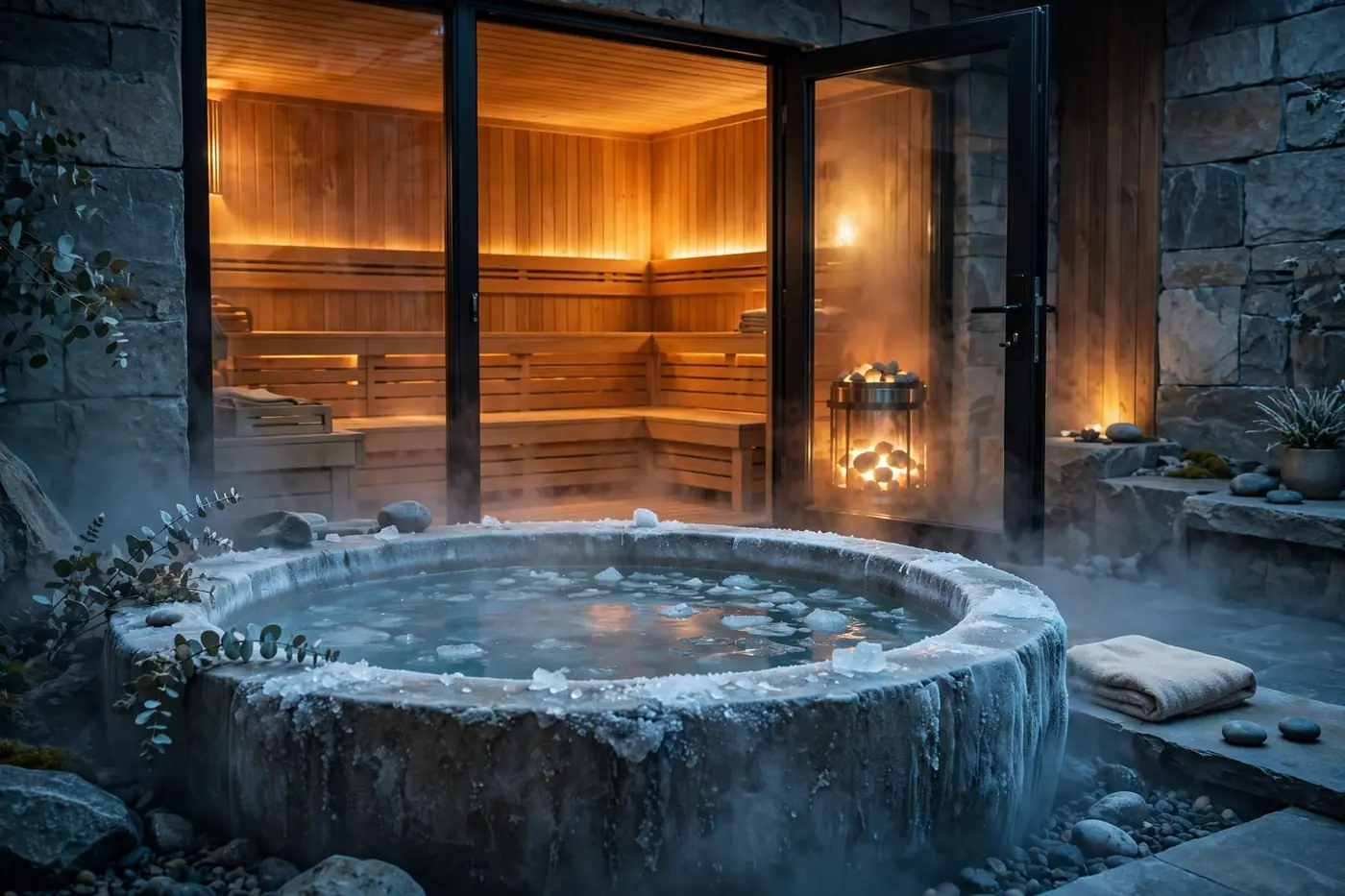
Sauna, cold plunge, or both? If you are building a home recovery setup, this contrast therapy guide breaks down what each one does on its own — and why alternating heat and cold is the protocol most recovery-minded people end up with.
What Is Contrast Therapy?
Contrast therapy is the practice of alternating heat exposure with cold exposure in repeated rounds: typically 10–20 minutes in the sauna, then 1–5 minutes in the plunge, repeated 2–3 times. Athletes, physical therapists, and recovery studios have used some version of it for decades — the only thing new is that the equipment now fits in a spare room.
Sauna-Only: Deep Heat Recovery
A sauna session is about sustained heat: 15–20 minutes at 120–150°F while your body warms through. People use sauna time to unwind after training, loosen up stiff mornings, and build a consistent evening wind-down ritual. It is the slower, more meditative half of the equation — and on its own, it is a complete wellness habit.
Plunge-Only: The Cold Shock
A cold plunge is the opposite experience: 1–5 minutes in 39–55°F water that demands your full attention. Fans describe the post-plunge feeling as alert, clear-headed, and energized — the reason morning plungers swear by it before work. It is fast, intense, and over in minutes.
Both: Why Contrast Wins for a Home Setup
Here is the practical case for both: heat and cold do different jobs, and alternating them gives you a full hot-cold cycle in about 30 minutes without leaving the house. The sauna warms you deeply so the cold feels invigorating rather than punishing; the plunge snaps you alert so the next sauna round feels earned. Most home contrast users settle into 3–4 sessions per week — often enough to feel like a ritual, short enough to fit a busy schedule.
Owners who start with one almost always add the other within a year — which is exactly why we built the Recovery Studio bundle: sauna + plunge, one delivery, one setup.
A Beginner Contrast Protocol
- Start with heat: 10–15 minutes in the sauna. Warm up first — never plunge cold into cold.
- Cold, but short: 1–2 minutes in the plunge for your first weeks. Start embarrassingly short; you can add time later.
- Repeat 2–3 rounds: back to the sauna for 5–10 minutes, then cold again. Two to three rounds is the common pattern.
- End on either: finish cold for alertness, or warm for relaxation before bed.
- Hydrate: drink water between rounds — you are sweating more than you feel.
Safety note: consult your doctor before starting contrast therapy — especially if you have a heart condition, high blood pressure, or are pregnant. This guide describes a general wellness routine, not medical treatment; no medical claims are made here.
Why a Home Setup Beats Spa Memberships
Recovery studios charge roughly $150–$300 per month for contrast access — and that is before the drive, the booking, and the shared tub. A home setup costs more up front but pays for itself in a year or two of regular use, and the real win is consistency: a 30-minute hot-cold cycle you can do daily, in private, on your own schedule, is worth more than a monthly spa visit you keep rescheduling. That is the entire logic of the home recovery studio.
Contrast Therapy FAQs
What is contrast therapy?
Contrast therapy is alternating heat exposure (sauna, 10–20 minutes) with cold exposure (plunge, 1–5 minutes) in repeated rounds — typically 2–3 cycles per session.
Should I sauna or cold plunge first?
Most protocols start with heat: 10–15 minutes in the sauna, then 1–3 minutes in the plunge, repeating 2–3 rounds. Warming up first makes the cold far more tolerable.
How long should a beginner stay in a cold plunge?
Start at 1–2 minutes. Short, controlled exposures done consistently beat heroic long plunges — add time gradually over weeks as you adapt.
How many contrast therapy rounds should I do?
Two to three rounds is the common pattern: sauna → plunge → sauna → plunge, optionally finishing with a final short sauna. A full session runs about 30 minutes.
Is contrast therapy safe?
For most healthy adults, alternating sauna and cold plunge is a widely practiced wellness routine — but consult your doctor first, especially with heart conditions, blood pressure issues, or pregnancy. This is general information, not medical advice.